

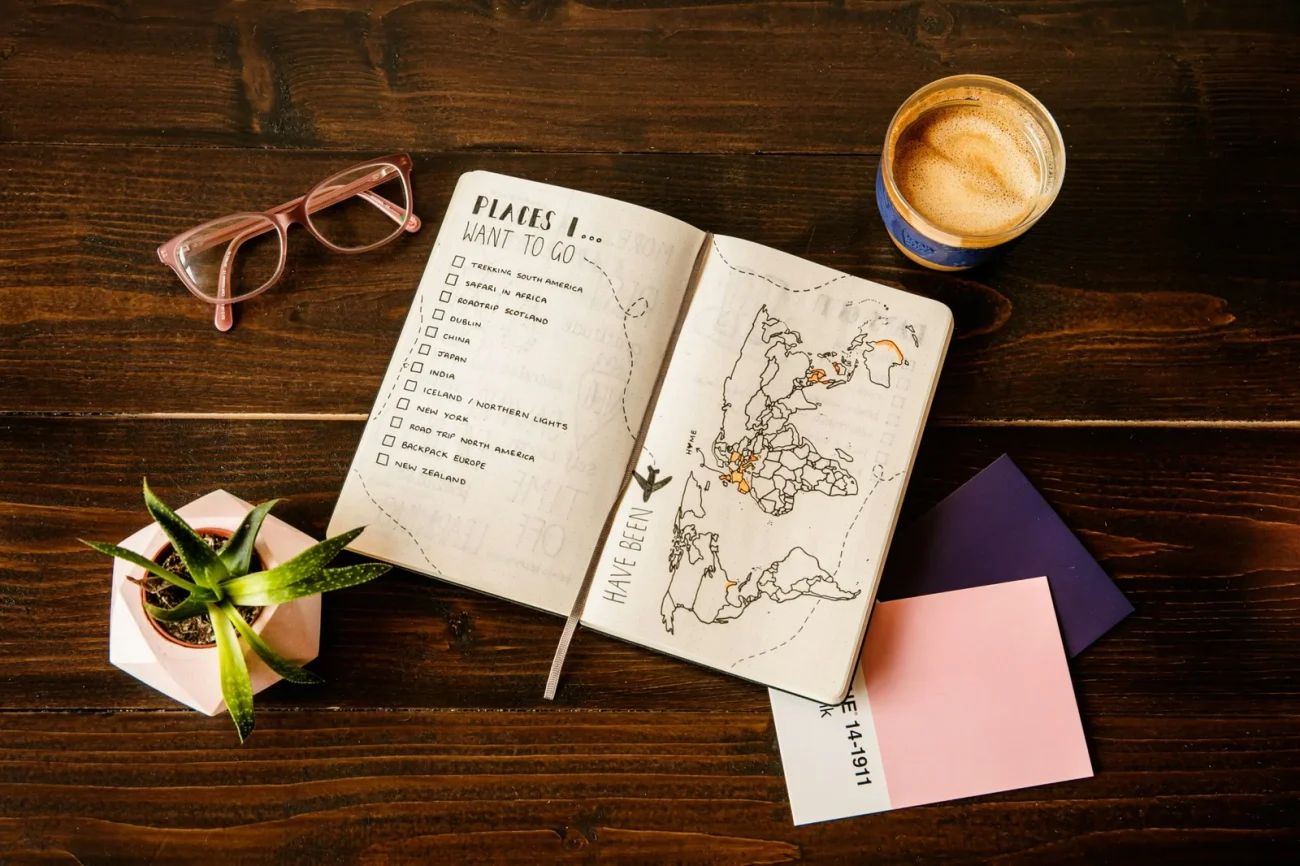
Ultimate Guide to Stress-Free Travel Planning
Traveling is often an exhilarating experience, offering opportunities to explore new cultures, savor diverse cuisines, and create lasting memories. However, the process of planning a trip can be daunting and stressful. From booking flights and accommodations to organizing itineraries and packing, the details can become overwhelming. To ensure your next journey is both enjoyable and stress-free, this ultimate guide provides expert tips and strategies for seamless travel planning.
Start with a Clear Vision
Before diving into the logistics, take some time to define the purpose and scope of your trip. Ask yourself what you want to achieve: Is it relaxation, adventure, cultural exploration, or a combination of these? Clarifying your travel goals will help streamline your planning process and ensure that every decision aligns with your vision.
Set a Realistic Budget
A well-defined budget is the cornerstone of stress-free travel planning. Determine how much you can comfortably spend on your trip, including flights, accommodations, meals, activities, and souvenirs. Consider using budgeting tools or apps to track expenses and prevent overspending. Remember to account for unexpected expenses by including a buffer in your budget.
Research Your Destination
Understanding your destination is crucial for smooth travel planning. Conduct thorough research on the local culture, customs, climate, and popular attractions. This knowledge will help you make informed decisions about where to stay, what to do, and how to prepare.
Check Travel Advisories and Requirements
Before finalizing your plans, check for any travel advisories or entry requirements for your destination. This includes visa policies, vaccination mandates, and COVID-19 regulations. Websites like the U.S. Department of State’s travel advisory page and the World Health Organization’s travel guidelines are excellent resources.
Create a Flexible Itinerary
An itinerary acts as a roadmap for your trip, ensuring you make the most of your time while avoiding unnecessary stress. However, it’s essential to keep it flexible. Over-scheduling can lead to burnout, so leave room for spontaneous activities and downtime.
Prioritize Must-See Attractions
Identify the top attractions and experiences you don’t want to miss. Prioritize these in your itinerary, and schedule them for the beginning of your trip when your energy levels are high. This way, if plans change, you won’t miss out on your most anticipated activities.
Include Buffer Time
Allow for buffer time between activities to account for unexpected delays or to simply relax. Whether it’s a leisurely breakfast, a stroll through a park, or a coffee break at a local café, these moments can enrich your travel experience.
Book Smart and Early
Booking your flights and accommodations early can save you money and ensure availability, especially during peak travel seasons. Here are some tips for making smart bookings:
Use Flight Comparison Tools
Leverage online tools and apps such as Google Flights, Skyscanner, and Kayak to compare prices across multiple airlines and booking platforms. Set up fare alerts to get notified of price drops for your chosen route.
Consider Alternative Accommodations
While hotels are a popular choice, consider alternative accommodations like vacation rentals, hostels, or boutique guesthouses. These options often provide unique experiences and can be more cost-effective.
Understand Cancellation Policies
Opt for bookings with flexible cancellation policies. This will give you peace of mind in case your plans change unexpectedly.
Pack Strategically
Packing can be one of the most stressful aspects of travel planning, but it doesn’t have to be. With a strategic approach, you can pack efficiently and avoid last-minute panic.
Create a Packing List
Start with a comprehensive packing list tailored to your destination’s climate and activities. Categorize items into essentials (passport, medications, chargers), clothing, and miscellaneous (books, travel pillows).
Embrace Versatile Clothing
Choose clothing that can be mixed and matched to create multiple outfits. Stick to neutral colors and lightweight fabrics that are easy to layer.
Apply the Rule of Three
Limit yourself to three pairs of shoes: one pair for walking, one for dressier occasions, and one pair of flip-flops or sandals. Similarly, aim for three tops and bottoms that can be interchanged.
Prepare for the Unexpected
Even with meticulous planning, unexpected situations can arise. Being prepared for these scenarios can mitigate stress and ensure a smoother travel experience.
Purchase Travel Insurance
Invest in comprehensive travel insurance that covers medical emergencies, trip cancellations, lost luggage, and other unforeseen events. Compare policies to find one that best suits your needs.
Have Backup Plans
Develop contingency plans for critical aspects of your trip. For example, research alternative routes or transportation options in case of delays or cancellations. Having a list of backup accommodations can also be beneficial.
Stay Connected and Informed
Staying connected and informed during your travels can ease anxieties and keep you on track. Here are some ways to stay in the loop:
Download Essential Apps
Load your smartphone with essential travel apps such as maps, translation tools, transportation apps, and currency converters. These tools can help you navigate unfamiliar environments with ease.
Keep Important Information Handy
Store digital copies of important documents like your passport, itinerary, and travel insurance on your smartphone. Also, have a physical copy in case your device is lost or damaged.
Maintain Health and Well-being
Your health and well-being are paramount to a stress-free travel experience. Prioritize self-care before and during your trip to stay energized and healthy.
Stay Hydrated and Rested
Travel often disrupts normal routines, leading to dehydration and fatigue. Drink plenty of water and aim for adequate rest, especially during long flights or road trips.
Practice Mindfulness
Incorporate mindfulness practices such as meditation or deep-breathing exercises into your daily routine. These practices can help manage anxiety and keep you centered amidst travel chaos.
Conclusion
Travel planning doesn’t have to be a source of stress. By following these strategies and tips, you can approach your next adventure with confidence and ease. Remember that flexibility is key, and sometimes the best travel experiences come from unexpected moments and spontaneous decisions. Embrace the journey, and you’re sure to have a memorable, stress-free travel experience.
“`
#ChatGPT assisted in the creation of this article.
